This template was built with Webflow's free Prospero UI Kit. Learn more



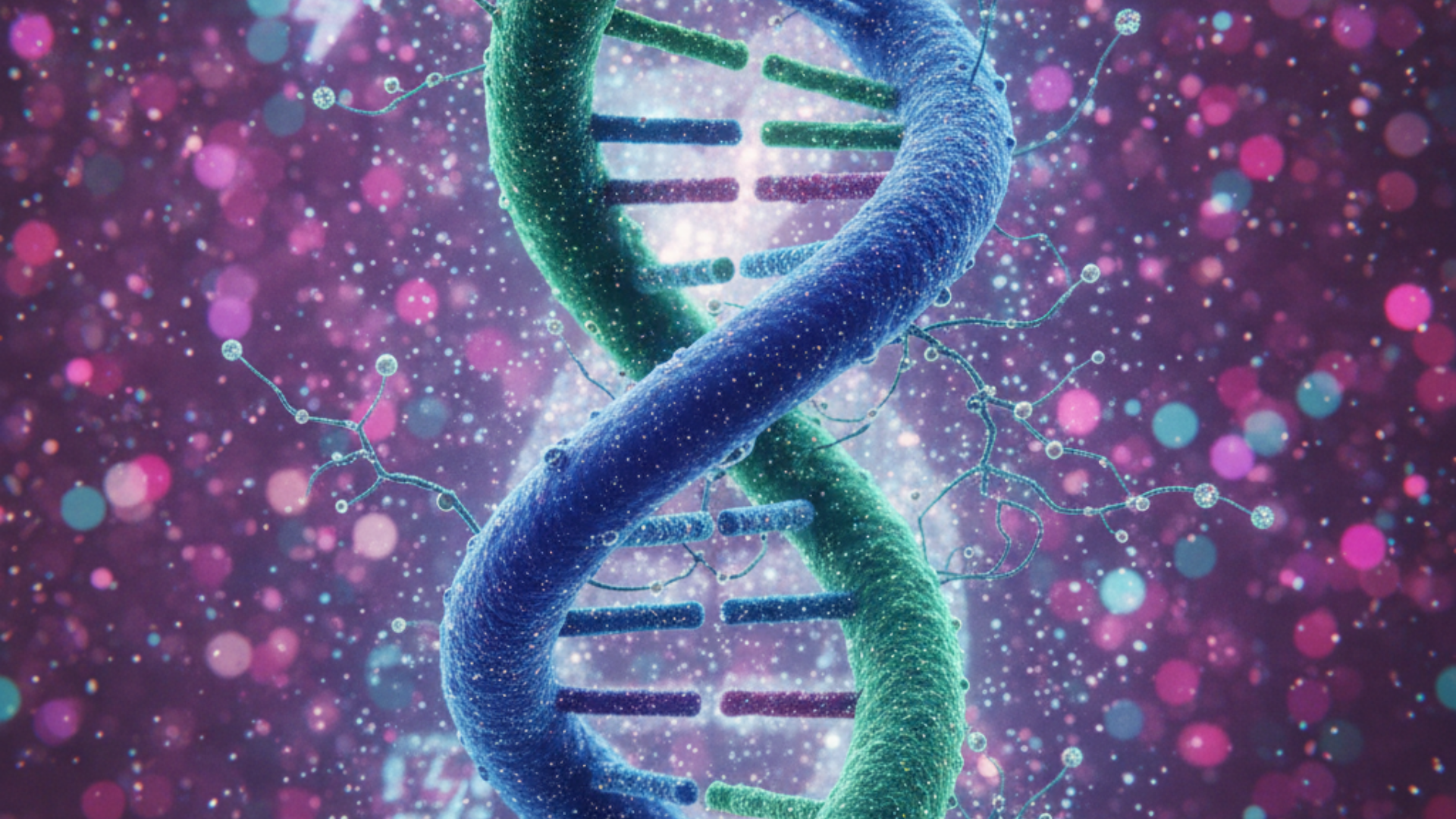
When your child receives a diagnosis linked to the SCN2A gene, it can feel like you've suddenly entered a world filled with unfamiliar words, unanswered questions, and a deep desire to understand what this all means. You are not alone — and knowledge is one of the most powerful tools you have. This guide is written for you.
Below, we'll break down what the SCN2A gene is, what it does in the brain, what happens when it carries a mutation, and what that means for your child's health and care. We'll use plain language throughout and explain every technical term the first time it appears.
A gene is a set of instructions stored in your DNA — the biological code that tells your body how to grow and function. The human body contains tens of thousands of genes, each responsible for building specific proteins. The SCN2A gene (pronounced S-C-N-2-A) provides the instructions for building a protein called Nav1.2.
Nav1.2 is a sodium channel — think of it as a tiny, highly regulated gateway in the outer wall of a brain cell (called a neuron). This channel controls whether and when sodium particles, called ions, can flow into the cell. That flow of sodium is what generates the electrical signals that brain cells use to communicate with each other.
These electrical signals — called action potentials — are fundamental to nearly everything the brain does: processing sensory information, forming memories, regulating movement, and supporting language development. Nav1.2 is particularly active during early brain development and plays a key role in helping the brain mature and form connections during the first years of life.
According to the National Institutes of Health, the SCN2A gene is located on chromosome 2 and is expressed primarily in the brain's excitatory neurons — the cells responsible for sending activation signals throughout the nervous system.
Imagine the neuron (brain cell) as a house, and sodium channels as the doors. Normally, these doors open and close in a precise, coordinated rhythm — letting just the right amount of sodium in at just the right moment. This rhythm is what creates a healthy, organized electrical signal in the brain.
A mutation is a change in the genetic instructions — like a typo in the code. When the SCN2A gene carries a mutation, the Nav1.2 channel it builds may not function correctly. The doors may open too easily and too often, stay open too long, or may not open enough. Either way, the normal electrical rhythm of the brain is disrupted.
These disruptions in brain signaling can affect development, seizure activity, behavior, communication, and more — depending on the specific nature of the mutation. This is why understanding the exact mutation your child carries is so important. To learn more about , visit the Foundation's dedicated resource page.
One of the most important things families learn after an SCN2A diagnosis is that not all SCN2A mutations are the same. Two major categories of mutations — gain-of-function (GOF) and loss-of-function (LOF) — behave very differently and are associated with different clinical pictures.
In a gain-of-function mutation, the Nav1.2 channel becomes overactive. The "doors" open too frequently or stay open too long, causing an excess of sodium to flood the neuron. This leads to the brain cell firing electrical signals too rapidly — a state of overexcitation.
GOF mutations are typically associated with early-onset epilepsy, often beginning within the first three months of life. Seizures in these cases can be frequent and difficult to manage with standard medications. Research published in the journal Brain (Wolff et al., 2017) demonstrated a strong correlation between early seizure onset and GOF variants.
In a loss-of-function mutation, the Nav1.2 channel is underactive — the "doors" don't open enough, or there are fewer channels present on the cell surface. This means the neuron doesn't fire as readily as it should, and brain communication is diminished rather than amplified.
LOF mutations are more commonly associated with autism spectrum disorder (ASD) and intellectual disability, and when epilepsy does occur, it tends to begin later in infancy or childhood. The different mechanism of LOF mutations also has important implications for medication management — a reason why knowing your child's specific variant and mutation type is so critical before any treatment decisions are made.
SCN2A mutations can lead to a range of conditions, collectively called SCN2A-related disorders (SRDs). The spectrum is broad, and every child's experience is unique. Common associated conditions include:
Epilepsy is one of the most recognized features of SCN2A-related disorders. Depending on the mutation type, seizures may begin in the first days of life or later in infancy. Some children experience multiple seizure types that are difficult to control; others may have seizures that improve or resolve over time. The type of epilepsy, and the approaches that may help manage it, can differ significantly based on whether the underlying mutation is GOF or LOF.
SCN2A has been identified as a high-confidence risk gene for autism spectrum disorder. Many individuals with LOF mutations in SCN2A receive an autism diagnosis, sometimes without epilepsy. Developmental differences may include delays in speech and language, challenges with social communication, sensory sensitivities, and differences in adaptive behavior. Research continues to deepen our understanding of how Nav1.2 dysfunction influences neurodevelopment and social brain function.
Additional features that can appear across the SCN2A spectrum include intellectual disability, movement differences, hypotonia (low muscle tone), and feeding challenges. The ongoing SCN2A research being conducted by scientists around the world is helping to clarify these associations and develop better tools for families and clinicians alike. You can follow the latest findings at the SCN2A Foundation Research page.
Most SCN2A mutations are identified through genetic testing — specifically through tests called whole exome sequencing or gene panels, which examine the DNA for mutations in known epilepsy or neurodevelopmental genes. For many families, the path to diagnosis begins with unexplained seizures or developmental concerns that prompt a referral to a pediatric neurologist or clinical geneticist.
Importantly, most SCN2A mutations are de novo — meaning the change occurred spontaneously in the child and was not inherited from either parent. A de novo mutation is a new genetic change that appears for the first time in the child's DNA. It does not mean a parent did anything wrong. Families are encouraged to work closely with a genetic counselor after receiving a diagnosis, as these professionals can help interpret testing results, explain what is known about the specific variant, and guide next steps.
If your child has recently received an SCN2A diagnosis and you're still piecing together what it means, our SCN2A resource page offers a more detailed overview of the diagnostic journey.
Not all SCN2A mutations should be managed the same way. Because GOF and LOF mutations create fundamentally opposite problems — one causing overactivity, the other underactivity — approaches that may help one group can potentially be harmful for another. This is why precision medicine, the practice of tailoring care to the individual's specific genetic profile, is so important in SCN2A-related disorders.
This is also why the SCN2A Foundation encourages all families to seek care from clinicians who are familiar with SCN2A-specific research. Connecting with a pediatric neurologist who has experience with sodium channelopathies, and having the specific variant functional status (GOF vs. LOF) clearly documented, is a foundational step in building the right care team for your child.
The growing body of SCN2A research — including work on precision therapeutics, antisense oligonucleotides, and gene therapy approaches — is beginning to open doors to mutation-specific treatments. Staying informed and connected to the research community is one of the most empowering things a family can do right now.
Understanding the SCN2A gene is just the beginning of a journey that, for many families, becomes one of deep advocacy, resilience, and connection. The SCN2A Foundation exists to walk alongside you — accelerating the research that will one day lead to targeted therapies while making sure every family has access to the most accurate, up-to-date information available.
The field is moving fast. Researchers around the world are working specifically on SCN2A, driven in part by the engagement of families who have shared their stories, contributed to registries, and supported the science. Every family that connects with the community strengthens this work.
Every family navigating an SCN2A diagnosis deserves answers, access to emerging research, and real hope for the future. There are two powerful ways to be part of the work that moves us forward. Sign up to stay connected and ensure your family is part of the network shaping what comes next. And if you are able, please consider making a donation to help fund the research and resources that bring us all closer to answers.
Medical Disclaimer: This content is provided for educational and informational purposes only and does not constitute medical advice. The information on this page is not intended to be a substitute for professional medical advice, diagnosis, or treatment. Always seek the guidance of a qualified healthcare provider with any questions you may have regarding a medical condition. Never disregard professional medical advice or delay in seeking it because of something you have read on this website.
References:
1. National Institutes of Health — MedlinePlus Genetics: SCN2A Gene
2. Online Mendelian Inheritance in Man (OMIM) — SCN2A Entry #182390
3. Online Mendelian Inheritance in Man (OMIM) — DEE11 Entry #613721
4. NCBI Gene — SCN2A (Gene ID: 6326)
5. National Organization for Rare Disorders (NORD) — SCN2A-Related Disorders
Share
When your child receives a diagnosis linked to the SCN2A gene, it can feel like you've suddenly entered a world filled with unfamiliar words, unanswered questions, and a deep desire to understand what this all means. You are not alone — and knowledge is one of the most powerful tools you have. This guide is written for you.
Below, we'll break down what the SCN2A gene is, what it does in the brain, what happens when it carries a mutation, and what that means for your child's health and care. We'll use plain language throughout and explain every technical term the first time it appears.
A gene is a set of instructions stored in your DNA — the biological code that tells your body how to grow and function. The human body contains tens of thousands of genes, each responsible for building specific proteins. The SCN2A gene (pronounced S-C-N-2-A) provides the instructions for building a protein called Nav1.2.
Nav1.2 is a sodium channel — think of it as a tiny, highly regulated gateway in the outer wall of a brain cell (called a neuron). This channel controls whether and when sodium particles, called ions, can flow into the cell. That flow of sodium is what generates the electrical signals that brain cells use to communicate with each other.
These electrical signals — called action potentials — are fundamental to nearly everything the brain does: processing sensory information, forming memories, regulating movement, and supporting language development. Nav1.2 is particularly active during early brain development and plays a key role in helping the brain mature and form connections during the first years of life.
According to the National Institutes of Health, the SCN2A gene is located on chromosome 2 and is expressed primarily in the brain's excitatory neurons — the cells responsible for sending activation signals throughout the nervous system.
Imagine the neuron (brain cell) as a house, and sodium channels as the doors. Normally, these doors open and close in a precise, coordinated rhythm — letting just the right amount of sodium in at just the right moment. This rhythm is what creates a healthy, organized electrical signal in the brain.
A mutation is a change in the genetic instructions — like a typo in the code. When the SCN2A gene carries a mutation, the Nav1.2 channel it builds may not function correctly. The doors may open too easily and too often, stay open too long, or may not open enough. Either way, the normal electrical rhythm of the brain is disrupted.
These disruptions in brain signaling can affect development, seizure activity, behavior, communication, and more — depending on the specific nature of the mutation. This is why understanding the exact mutation your child carries is so important. To learn more about , visit the Foundation's dedicated resource page.
One of the most important things families learn after an SCN2A diagnosis is that not all SCN2A mutations are the same. Two major categories of mutations — gain-of-function (GOF) and loss-of-function (LOF) — behave very differently and are associated with different clinical pictures.
In a gain-of-function mutation, the Nav1.2 channel becomes overactive. The "doors" open too frequently or stay open too long, causing an excess of sodium to flood the neuron. This leads to the brain cell firing electrical signals too rapidly — a state of overexcitation.
GOF mutations are typically associated with early-onset epilepsy, often beginning within the first three months of life. Seizures in these cases can be frequent and difficult to manage with standard medications. Research published in the journal Brain (Wolff et al., 2017) demonstrated a strong correlation between early seizure onset and GOF variants.
In a loss-of-function mutation, the Nav1.2 channel is underactive — the "doors" don't open enough, or there are fewer channels present on the cell surface. This means the neuron doesn't fire as readily as it should, and brain communication is diminished rather than amplified.
LOF mutations are more commonly associated with autism spectrum disorder (ASD) and intellectual disability, and when epilepsy does occur, it tends to begin later in infancy or childhood. The different mechanism of LOF mutations also has important implications for medication management — a reason why knowing your child's specific variant and mutation type is so critical before any treatment decisions are made.
SCN2A mutations can lead to a range of conditions, collectively called SCN2A-related disorders (SRDs). The spectrum is broad, and every child's experience is unique. Common associated conditions include:
Epilepsy is one of the most recognized features of SCN2A-related disorders. Depending on the mutation type, seizures may begin in the first days of life or later in infancy. Some children experience multiple seizure types that are difficult to control; others may have seizures that improve or resolve over time. The type of epilepsy, and the approaches that may help manage it, can differ significantly based on whether the underlying mutation is GOF or LOF.
SCN2A has been identified as a high-confidence risk gene for autism spectrum disorder. Many individuals with LOF mutations in SCN2A receive an autism diagnosis, sometimes without epilepsy. Developmental differences may include delays in speech and language, challenges with social communication, sensory sensitivities, and differences in adaptive behavior. Research continues to deepen our understanding of how Nav1.2 dysfunction influences neurodevelopment and social brain function.
Additional features that can appear across the SCN2A spectrum include intellectual disability, movement differences, hypotonia (low muscle tone), and feeding challenges. The ongoing SCN2A research being conducted by scientists around the world is helping to clarify these associations and develop better tools for families and clinicians alike. You can follow the latest findings at the SCN2A Foundation Research page.
Most SCN2A mutations are identified through genetic testing — specifically through tests called whole exome sequencing or gene panels, which examine the DNA for mutations in known epilepsy or neurodevelopmental genes. For many families, the path to diagnosis begins with unexplained seizures or developmental concerns that prompt a referral to a pediatric neurologist or clinical geneticist.
Importantly, most SCN2A mutations are de novo — meaning the change occurred spontaneously in the child and was not inherited from either parent. A de novo mutation is a new genetic change that appears for the first time in the child's DNA. It does not mean a parent did anything wrong. Families are encouraged to work closely with a genetic counselor after receiving a diagnosis, as these professionals can help interpret testing results, explain what is known about the specific variant, and guide next steps.
If your child has recently received an SCN2A diagnosis and you're still piecing together what it means, our SCN2A resource page offers a more detailed overview of the diagnostic journey.
Not all SCN2A mutations should be managed the same way. Because GOF and LOF mutations create fundamentally opposite problems — one causing overactivity, the other underactivity — approaches that may help one group can potentially be harmful for another. This is why precision medicine, the practice of tailoring care to the individual's specific genetic profile, is so important in SCN2A-related disorders.
This is also why the SCN2A Foundation encourages all families to seek care from clinicians who are familiar with SCN2A-specific research. Connecting with a pediatric neurologist who has experience with sodium channelopathies, and having the specific variant functional status (GOF vs. LOF) clearly documented, is a foundational step in building the right care team for your child.
The growing body of SCN2A research — including work on precision therapeutics, antisense oligonucleotides, and gene therapy approaches — is beginning to open doors to mutation-specific treatments. Staying informed and connected to the research community is one of the most empowering things a family can do right now.
Understanding the SCN2A gene is just the beginning of a journey that, for many families, becomes one of deep advocacy, resilience, and connection. The SCN2A Foundation exists to walk alongside you — accelerating the research that will one day lead to targeted therapies while making sure every family has access to the most accurate, up-to-date information available.
The field is moving fast. Researchers around the world are working specifically on SCN2A, driven in part by the engagement of families who have shared their stories, contributed to registries, and supported the science. Every family that connects with the community strengthens this work.
Every family navigating an SCN2A diagnosis deserves answers, access to emerging research, and real hope for the future. There are two powerful ways to be part of the work that moves us forward. Sign up to stay connected and ensure your family is part of the network shaping what comes next. And if you are able, please consider making a donation to help fund the research and resources that bring us all closer to answers.
Medical Disclaimer: This content is provided for educational and informational purposes only and does not constitute medical advice. The information on this page is not intended to be a substitute for professional medical advice, diagnosis, or treatment. Always seek the guidance of a qualified healthcare provider with any questions you may have regarding a medical condition. Never disregard professional medical advice or delay in seeking it because of something you have read on this website.
References:
1. National Institutes of Health — MedlinePlus Genetics: SCN2A Gene
2. Online Mendelian Inheritance in Man (OMIM) — SCN2A Entry #182390
3. Online Mendelian Inheritance in Man (OMIM) — DEE11 Entry #613721
4. NCBI Gene — SCN2A (Gene ID: 6326)
5. National Organization for Rare Disorders (NORD) — SCN2A-Related Disorders
Vlad Magdalin

Accelerating research and treatment for SCN2A-related disorders.
Get the latest SCN2A research and community news.